 |
|
|
Home | Boating | Fishing | Diving | Water Sports | Boating Safety | Environment | Weather | Photo Blog | Add Your Company to the Directory |
| You Are Here > Home > Marine Environment |
 Florida's Marine Environment
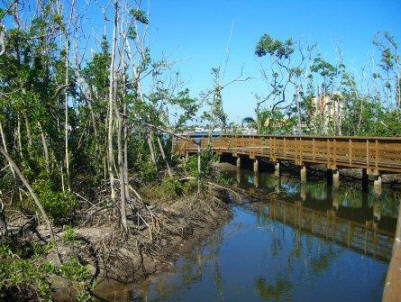
Estuary and Bay Communities More than 70 percent of Florida's recreationally and commercially important fish and shellfish spend part of their lives in these sheltered and fertile waters. Estuaries can be called "the cradle of the ocean." Estuarine communities include seagrass, oyster bars, salt marshes, mud and sand bottom, and algal growths. Such valuable shellfish as oysters, crabs, and peneid shrimp cannot grow without a certain amount of freshwater. About 70 percent of Florida's population live in the coastal zone. Therefore, the quality of water pouring into the estuaries is a major concern. Shellfish are filter feeders, straining their food from the water around them. If incoming water is tainted by bacteria and viruses from human and animal wastes, pesticides or other pollutants, oysters and clams that look perfectly healthy may transmit diseases. Seagrass communities start in the intertidal zone and, depending on water clarity, may grow profusely to depths in excess of 20 feet. They are food factories, swarming with pinfish and pigfish, which are excellent food for gamefish. Bizarre puffers, sea robins, spotted seatrout, and cowfish dodge about in the sheltering blades of turtle grass. Catfish work the lower layer of the water column, along with juvenile sea bass and lizardfish. Grouper and snapper even use seagrass as their nurseries.
Important Phone Numbers
To
Report Injured Birds
Florida
Springs
Oysters in Florida
|
Wild Dolphins Florida is home to a wonderful variety of dolphins, but be aware that the Marine Mammal Protection Act (MMPA) prohibits the "taking" of marine mammals. The term "take" means to harass, hunt, capture, kill or feed, or attempt any of these activities. For the dolphins' sake, and for your safety, please don't feed, swim with or harass wild dolphins. To report abuse, call the NOAA Fisheries Enforcement Hotline at 800-853-1964.
Atlantic Bottlenose Dolphins
Coral Reefs Hazards Portuguese man-of-war; These jelly-like animals are commonly found in the Gulf Stream of the northern Atlantic Ocean. If stung, wash with salt water and remove any tentacles. Soak the area with a solution of 50 percent each of vinegar and water for about 30 minutes. Rinse the area and then re-soak, using alcohol in place of vinegar. Sea Lice; Season: March to August.
Some text on this page provided by The Florida Department of Environmental Protection. |